



The aviation industry is evolving rapidly with technology shaping everything from safety to efficiency. One field at the core of this transformation is Aerospace systems engineering, which integrates various disciplines to design, test, and maintain complex aircraft systems. From commercial airliners to military jets, aerospace systems engineering plays a vital role in ensuring performance, safety, and innovation. In this article, we will explore what it involves, why it is critical, and how it impacts the future of aviation.
What is Aerospace Systems Engineering?
Aerospace systems engineering is the structured approach to designing and managing advanced systems in the aviation and space sectors. It combines aerodynamics, propulsion, avionics, and materials science into a unified process. The goal is to optimize performance while maintaining high levels of safety and reliability. Engineers in this field must consider every stage of a system’s life cycle, from concept to decommissioning, making it one of the most interdisciplinary areas of engineering.
Core Functions of Aerospace Systems Engineering
Aerospace systems engineering covers a wide range of responsibilities. Some of the core functions include:
- Systems Integration: Ensuring that different subsystems, such as propulsion and avionics, work seamlessly together.
- Safety and Reliability: Designing aircraft systems that meet strict safety regulations and can withstand rigorous conditions.
- Lifecycle Management: Managing the design, testing, deployment, and maintenance of systems across decades.
- Innovation and Research: Developing next-generation technologies such as autonomous flight and eco-friendly propulsion.
These functions make aerospace systems engineers essential in addressing both current and future challenges in aviation.
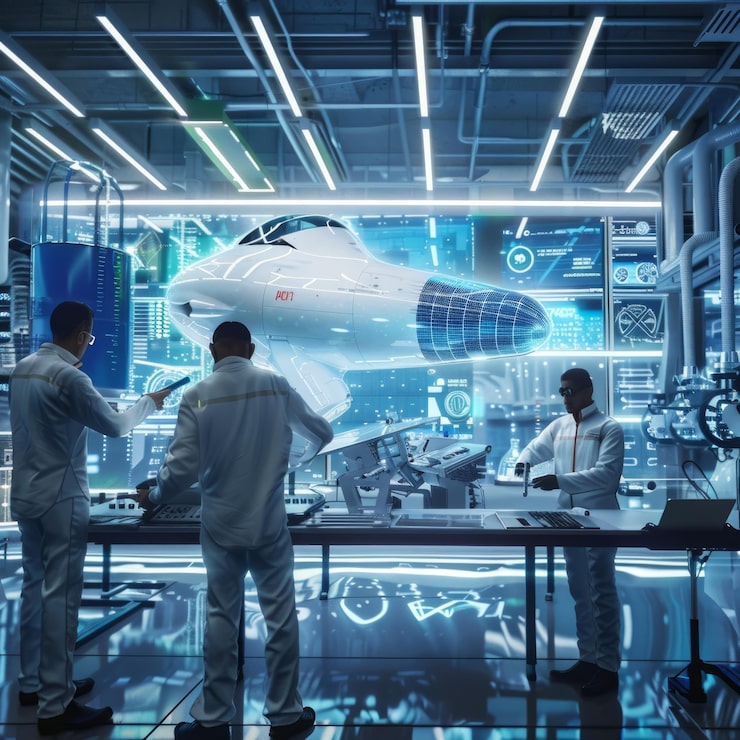
The Role of an Avionics Systems Engineer
One of the most critical roles in this field is that of an avionics systems engineer. Avionics covers electronic systems used in aircraft, such as navigation, communication, monitoring, and control systems. An avionics engineer ensures that these technologies are reliable, efficient, and integrated with the broader aircraft systems. With the rise of digital cockpits, automated flight systems, and advanced sensors, avionics has become the backbone of modern aerospace technology.
Key Innovations in Aerospace Systems
The field of aerospace systems engineering continues to drive innovation across aviation. Some key advancements include:
- Electric and Hybrid Propulsion: Reducing carbon emissions and creating more sustainable flight options.
- Autonomous Flight Technology: Increasing automation to improve safety and efficiency in both commercial and military aircraft.
- Advanced Materials: Lightweight composites and alloys improve fuel efficiency while maintaining strength.
- Digital Twin Technology: Virtual models of aircraft systems allow engineers to test and monitor systems in real-time, reducing risks and costs.
These innovations reflect the ongoing push toward safer, greener, and more efficient aviation.
Challenges in Aerospace Systems Engineering
Despite its advancements, aerospace systems engineering faces several challenges:
- Environmental Concerns: Reducing carbon footprints while meeting growing air travel demands.
- Complex Regulations: Navigating international aviation standards and compliance requirements.
- High Costs: Developing and testing advanced systems involves significant investment.
- Integration of Emerging Tech: Ensuring technologies like AI and automation can be safely applied to flight systems.
Overcoming these challenges requires collaboration between engineers, researchers, and policymakers.
The Future of Aerospace Systems Engineering
The future of aerospace systems engineering is filled with opportunities. The push for sustainable aviation will drive innovation in propulsion systems, while advancements in AI and automation will make aircraft more intelligent and efficient. The space industry will also benefit, as engineering principles are applied to spacecraft and satellite systems. Engineers entering this field can expect to work on groundbreaking projects that will define the next era of flight.
Conclusion
Aerospace systems engineering is at the heart of modern aviation, ensuring that aircraft are safe, efficient, and innovative. From the integration of subsystems to the design of avionics, it shapes the way we fly and how aviation technology evolves. With advancements in automation, sustainability, and digital systems, this discipline will continue to push boundaries and define the future of flight. For those interested in the future of aviation, aerospace systems engineering represents one of the most exciting and impactful career paths.


