



A modern business operates in a world defined by data. From manufacturing floors to digital enterprises, companies rely on precise, real-time insights to improve operations, reduce errors, and accelerate growth. A reliable data acquisition system has become a crucial part of this transformation because it enables businesses to capture, process, analyze, and utilize data in ways that were never possible before. As industries evolve and competition intensifies, companies that adopt advanced data solutions gain significant advantages, while those that continue relying on outdated processes struggle to keep up.
A data acquisition system acts as the foundational bridge between machinery, sensors, environments, and the digital platforms that interpret and use this information. While once used only in complex industrial applications, today these systems support businesses of every size by offering accurate, efficient, and actionable insights. Whether an organization focuses on research, production, logistics, or security, the ability to monitor and analyze real-time data has become essential for long-term success.
Businesses often incorporate multiple computing systems to support operations, manage workflows, and improve productivity. Integrating a data acquisition system within these infrastructures enhances performance by ensuring every action is backed by reliable, real-time information. This combination of hardware, software, and sensory input creates a powerful and intelligent ecosystem that helps companies make faster and better decisions.
The Importance of Real-Time Data for Modern Businesses
Every business decision is influenced by the quality of available data. Real-time insights allow organizations to understand performance, identify issues early, and adjust strategies before problems escalate. Without structured data collection, teams often rely on guesswork, manual tracking, or outdated reports, which leads to inefficiencies and costly mistakes.
A data acquisition system eliminates these challenges by delivering immediate visibility into critical processes. Precise data collection supports operational transparency, helping teams understand how machinery, employees, and workflows perform at any moment. This continuous monitoring empowers businesses to detect abnormalities, maintain consistency, and respond to changes with accuracy.
Real-time data also enhances collaboration across departments by ensuring everyone works from the same trusted information source. When engineers, managers, and analysts share unified insights, communication improves and decisions align more closely with organizational goals.
How a Data Acquisition System Transforms Operational Efficiency
A well-designed data acquisition system streamlines workflows by reducing manual labor and automating complex tasks. Automation brings speed and precision to environments where timing and accuracy are vital. Instead of relying on employees to gather or interpret information, the system collects and processes data independently. This decreases human error and ensures far more reliable outcomes.
Operational equipment, sensors, and digital interfaces generate enormous amounts of information. A system capable of managing this data ensures smoother performance across all connected tools. This becomes especially valuable when integrated with computing systems that rely on accurate inputs to run analytics, control processes, or generate reports.
When teams gain access to complete and organized data, it becomes easier to identify inefficiencies, optimize resource allocation, and improve overall productivity. Businesses also experience fewer interruptions because real-time monitoring helps prevent unexpected failures and production slowdowns. With consistent insight into asset conditions and performance trends, organizations can maintain stability and reduce downtime.
Enhancing Product Quality and Consistency
Product quality determines customer satisfaction, brand reputation, and long-term success. In industries where precision matters, even small inconsistencies can lead to major financial or regulatory consequences. A data acquisition system supports quality control by providing detailed measurements, precise tracking, and comprehensive analytics.
By monitoring critical variables such as temperature, pressure, speed, or performance metrics, organizations can immediately detect deviations from expected standards. Instead of discovering problems after production, teams can intervene while the process is ongoing. This proactive approach reduces waste, lowers costs, and ensures consistent quality in every output.
Businesses that depend on computing systems for production management gain even greater benefits. Integrated insights provide more accurate modeling, forecasting, and testing capabilities, helping teams refine products and processes with confidence. The result is a stronger, more reliable quality control strategy built on trustworthy data.
Improving Safety, Compliance, and Risk Management
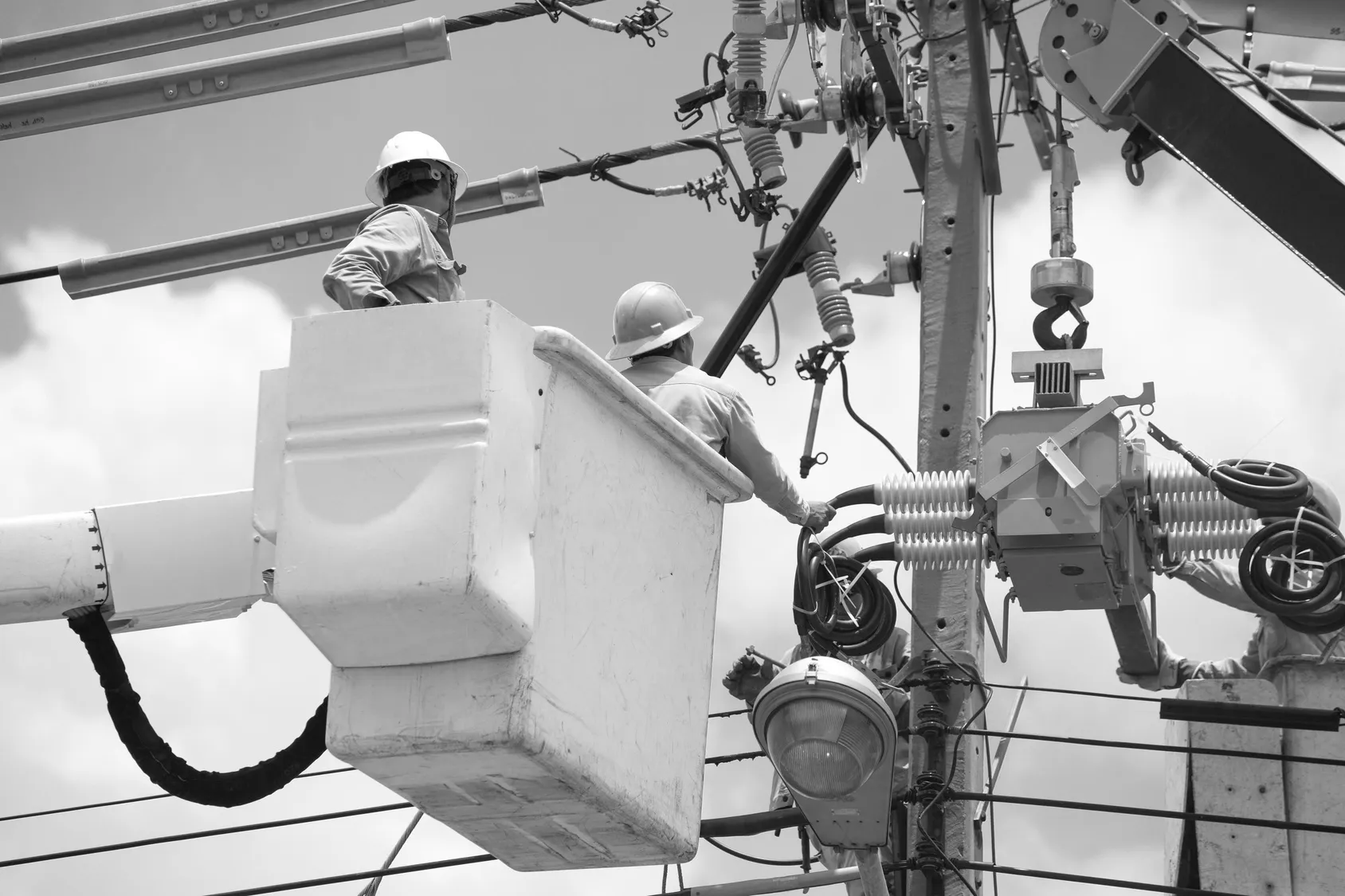
Safety regulations and compliance requirements are part of everyday operations in manufacturing, logistics, research, and many other fields. A data acquisition system helps businesses maintain safe working environments by continuously monitoring critical conditions and alerting teams when potentially hazardous situations arise.
Accurate and up-to-date records also support compliance audits by providing proof of proper monitoring and documentation. Instead of relying on manual logs or inconsistent tracking, organizations can demonstrate that they meet industry standards through reliable data reporting.
In addition to safety, these systems significantly strengthen risk management. Businesses that monitor asset behavior and environmental conditions reduce the likelihood of costly failures, downtime, or accidents. By understanding performance trends, organizations can implement better preventive measures and create a safer and more efficient work environment.
Supporting Scalable and Future-Ready Growth
A major advantage of a data acquisition system is its ability to scale with business growth. As companies introduce new tools, expand operations, or adopt new technologies, their need for accurate and organized data increases. These systems support expansion by adapting to new sensors, inputs, and digital infrastructures without disrupting existing operations.
Modern businesses also rely on multiple computing systems to connect devices, analyze information, and power digital solutions. When integrated effectively, a data acquisition system enhances the performance of these platforms by supplying clean and accurate datasets. This results in better forecasting, improved automation, and stronger analytics.
Scalability ensures long-term value because businesses can grow confidently, knowing their data foundation will support new processes and innovations. With technology advancing so quickly, organizations that prioritize adaptable, data-driven solutions remain more competitive and better prepared for the future.
Strengthening Data Integrity and Informed Decision-Making
Decision-making becomes more reliable when businesses have access to accurate and properly structured data. A data acquisition system ensures that information is collected consistently, processed correctly, and delivered in formats that teams can actually use. This reduces the noise and confusion that often result from using scattered or incomplete data sources.
Data integrity also plays a crucial role in long-term planning. Trends, performance patterns, and historical insights become easier to understand when they originate from verified and organized data streams. Leaders can make smarter choices about budgeting, resource allocation, hiring, and technology investments. Whether evaluating equipment performance or planning future expansions, trustworthy data supports more confident decisions.
When combined with advanced computing systems, these insights become even more powerful. Analytics tools can run complex models, deliver predictive outcomes, or automate tasks based on dependable real-time inputs. This creates a smoother, smarter, and more strategic operating environment.
Why Every Business Should Invest in a Data Acquisition System Today
A business that embraces modern data solutions gains a competitive advantage by becoming more efficient, more accurate, and more responsive. With a reliable data acquisition system, organizations improve operational visibility, protect assets, enhance product quality, and strengthen long-term growth strategies. This type of system becomes the backbone of a truly data-driven business model.
As industries continue to evolve, companies that delay adoption will find it harder to compete with those already benefiting from real-time insights and automated monitoring. Investing in a system that captures and converts data into actionable intelligence is no longer optional. It is an essential step toward building a smarter and more resilient business.
A business that integrates its data acquisition system with existing computing systems gains even greater value through improved performance, seamless automation, and advanced analytical capabilities. This combination ensures that every decision, every adjustment, and every innovation is supported by accurate and dependable data.
Conclusion
A modern business cannot thrive without reliable, real-time insights, and a high-performing data acquisition system provides exactly that. It strengthens every layer of operations by delivering accurate information, improving efficiency, enhancing product quality, and supporting safe and compliant workflows. When integrated with advanced computing systems, its impact becomes even more powerful, helping teams make faster and smarter decisions backed by trustworthy data.
As industries continue to rely on digital transformation and analytics-driven strategies, companies that embrace a dependable data acquisition system gain a significant competitive edge. It prepares organizations for future growth, supports innovation, and ensures operational stability across all environments. Adopting this technology today positions any business for long-term success in an increasingly data-focused world.


