


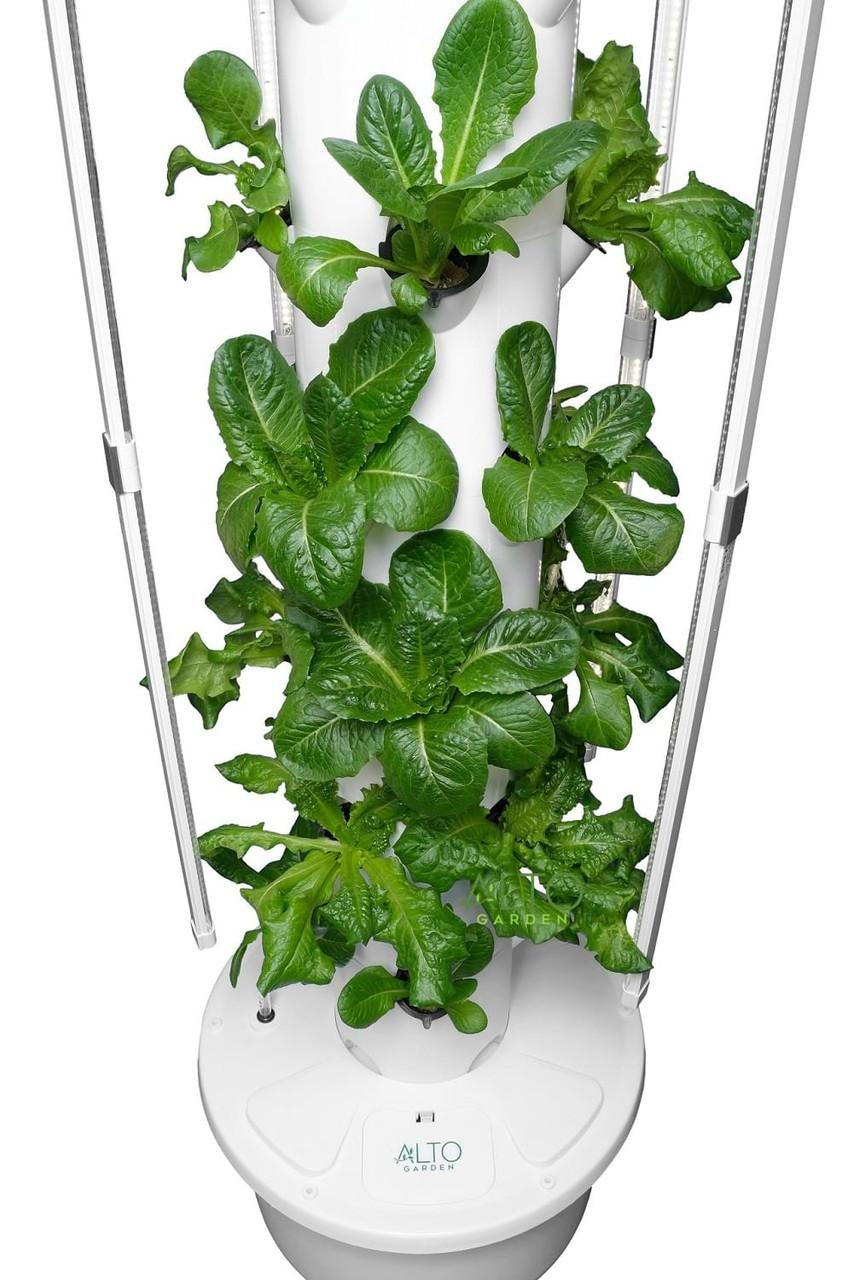
Urban gardening is experiencing a revolution, and at the heart of this transformation lies the concept of the garden tower. As cities grow denser and outdoor space becomes scarce, innovative solutions like garden towers are stepping up to offer efficient and sustainable methods for growing fresh produce. In this article, we will delve into how garden towers can transform your space, examine the science behind their design, and explore the benefits that make them a game-changer in modern urban agriculture.
The Rise of Vertical Gardening
A New Approach to Urban Agriculture
Traditional gardening often requires vast areas of land and ample sunlight. However, the rapid urbanization of our living spaces has forced gardeners to rethink how and where they grow food. Garden towers provide a vertical solution, allowing you to cultivate a variety of plants in a compact footprint. By growing upward rather than outward, you can maximize your available space and still produce a bountiful harvest.
Overcoming Space Limitations
In densely populated areas, finding a patch of fertile land is challenging. The garden tower concept addresses this limitation by stacking multiple growing layers into one structure. This means you can have an entire garden—even one capable of producing vegetables, herbs, and small fruits—in a corner of your balcony, rooftop, or even an indoor space with sufficient sunlight. Whether you are living in an apartment or a townhouse, garden towers are designed to be flexible enough to meet your needs.
How Garden Towers Work: The Science Behind the Structure
The Principles of Hydroponics and Aeroponics
The engineering behind a garden tower is rooted in advanced growing techniques such as hydroponics and aeroponics. In hydroponic systems, plants receive nutrient-rich water directly to their roots, bypassing the need for traditional soil. Aeroponic systems, on the other hand, suspend plant roots in air and mist them with essential nutrients. Both methods offer significant benefits:
- Accelerated Growth: Plants in these systems often grow faster because they receive precise, consistent nutrient delivery.
- Efficient Resource Use: Water and nutrients are recycled in a closed-loop system, ensuring that minimal resources are wasted.
- Optimal Root Health: By eliminating the unpredictable nature of soil, garden towers create a controlled environment for root development.
Gravity-Fed Irrigation Systems
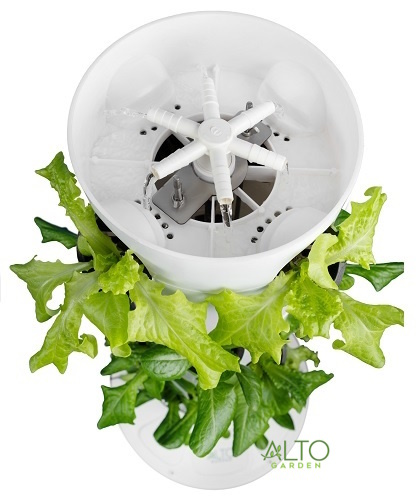
One of the remarkable innovations in garden tower design is the use of gravity-fed irrigation systems. In these systems, water is pumped to the top of the tower, where it flows down through each layer, ensuring that every plant receives its share of hydration and nutrients. This method not only simplifies the watering process but also conserves water by recycling it through the system—making garden towers one of the most eco-friendly gardening methods available.
The Benefits of Incorporating Garden Towers
Maximizing Yield in Limited Space
One of the primary advantages of garden towers is the ability to maximize yield per square foot. Instead of being restricted to a single layer of planting, you can grow multiple layers of produce in a compact area. This vertical stacking means that even with a small footprint, you can produce an abundance of fresh fruits, vegetables, and herbs. It’s an excellent solution for anyone who wishes to enjoy a continuous harvest without having to invest in large plots of land.
Conserving Water and Nutrients
Traditional gardens often face challenges related to water wastage. With garden towers, the water used is continuously recycled, reducing consumption dramatically. By recycling water, garden towers minimize waste and ensure that every drop counts. This conservation of resources is not only cost-effective but also contributes significantly to sustainable living practices.
Easy Installation and Low Maintenance
Modern garden towers are designed with user convenience in mind. They typically come with pre-installed irrigation systems, nutrient reservoirs, and easy-to-assemble components that require minimal technical expertise. Once set up, these towers need very little maintenance. Automated watering schedules mean that your plants receive consistent care, allowing you to enjoy fresh produce without spending hours on daily upkeep.
Aesthetically Pleasing and Versatile Designs
In addition to their practical benefits, garden towers can be a stylish addition to your living space. Many designs incorporate modern aesthetics that complement urban architecture. Whether you prefer a sleek, minimalistic design or something more decorative, garden towers can be customized to suit your style. This versatility makes them not only functional but also an attractive element in your home or outdoor space.
Practical Tips for Setting Up Your Garden Tower
Choosing the Right Location
When installing a garden tower, location is key. Here are some considerations to ensure your garden thrives:
- Sunlight Exposure: Ensure the tower is placed where it will receive ample sunlight. Most plants require at least 6-8 hours of direct sunlight per day.
- Accessibility: Choose a location where you can easily access the tower for maintenance, watering, and harvesting.
- Stability: Make sure the surface is flat and stable to support the vertical structure of the tower.
Selecting Suitable Plants
Garden towers are highly versatile, accommodating a wide range of plants. Consider the following when selecting your crops:
- Leafy Greens: Spinach, lettuce, and kale thrive in vertical systems.
- Herbs: Basil, parsley, and cilantro are perfect candidates due to their compact size and high yield.
- Fruits and Vegetables: Smaller varieties of tomatoes, strawberries, and peppers can also flourish in garden towers, provided there is enough space and support for climbing plants.
Maintenance and Troubleshooting
While garden towers are low maintenance, it’s important to keep a few things in mind:
- Regular Checks: Periodically inspect the water levels in the reservoir and ensure that the automated systems are functioning correctly.
- Nutrient Solutions: Replace or replenish nutrient solutions as needed to keep your plants healthy.
- Cleaning: Regularly clean the system to prevent any buildup of algae or mineral deposits, which can interfere with water flow and plant growth.
The Future of Urban Gardening with Garden Towers
Innovations on the Horizon
The development of garden towers is just the beginning of a broader movement towards sustainable urban agriculture. Future innovations may include:
- Smart Garden Towers: Integration of IoT (Internet of Things) technology for real-time monitoring of water levels, nutrient delivery, and plant health.
- Modular Designs: Towers that can be easily expanded or reconfigured based on changing space requirements or crop needs.
- Enhanced Energy Efficiency: Incorporation of solar-powered systems to further reduce energy consumption and promote renewable energy use in urban farming.
Community and Environmental Impact
The benefits of garden towers extend beyond individual households. They have the potential to positively impact entire communities by:
- Reducing Food Miles: Growing food locally reduces the need for long-distance transportation, cutting down on carbon emissions.
- Fostering Community Gardens: Shared garden tower installations can become a focal point for community engagement, education, and sustainable living initiatives.
- Improving Food Security: Urban garden towers can help supplement food supplies in cities, providing fresh, nutritious produce to local populations.
Conclusion
The rise of garden towers marks a significant step forward in urban gardening, offering innovative solutions to space limitations, resource conservation, and the need for sustainable food production. By harnessing advanced techniques such as hydroponics and aeroponics, garden towers enable faster plant growth, higher yields, and more efficient use of water—all while fitting neatly into the urban landscape.
For those ready to embrace this modern approach to gardening, consider the numerous benefits that come with a garden tower. With minimal space, reduced maintenance, and the ability to grow a diverse range of plants, you can transform your living area into a thriving green oasis.If you are excited to begin your journey towards sustainable urban agriculture, remember that ALTO Garden offers state-of-the-art solutions that exemplify the numerous benefits of garden towers. Embrace the future of gardening and experience the rewards of growing your own fresh, nutritious produce in a beautifully compact, efficient system.


