


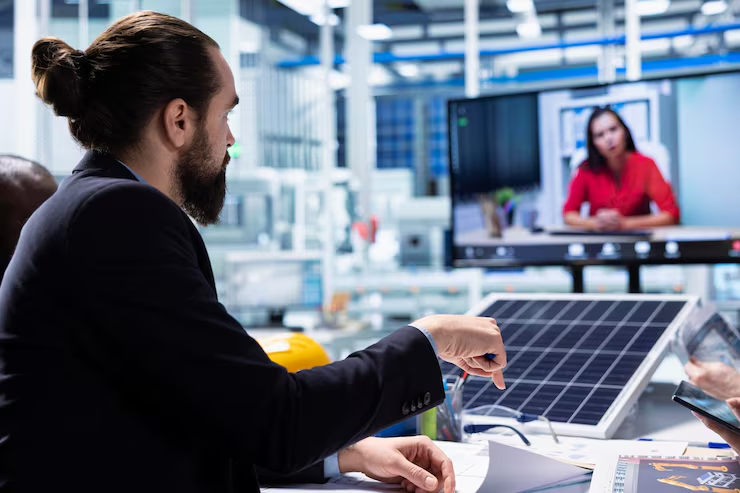
The need for clean, reliable power increases in homes, businesses and industries. A properly designed panel solar system will not only lessen reliance on conventional power sources but will also contribute to consistent energy pricing over the long term. For nations with significant solar resources – such as Chile, photovoltaic facilities are a feasible and scalable solution.
But there is more to finding the right gear than simply comparing prices or wattage numbers. How it works out is by looking at system components, installation environments and the long-term performance factors. Done right, investment in solar can become a reliable generator of returns for decades.

Learning the Basics of a Panel Solar System
A photovoltaic system is more than just solar panels on a roof. Every part is important for the effective use and long life of the system.
Solar Modules
Solar panels are making sunlight into direct current (DC) electricity. Today’s panel solar technology is not only more efficient at turning sunshine into power, but it is also more resilient against elements such as the wind, humidity and temperature changes.
When selecting modules, consider:
- Efficiency rating
- Warranty terms
- Performance in high-temperature environments
- Certification standards
Modules of high quality – modules to produce stable output over the long term, and minimize degradation.
Inverters and Energy Conversion
The inverter changes direct current (DC) electricity to the alternating current (AC) that is used in homes and businesses. Recent improvements in inverter technology are even enabling some systems to communicate, so users can monitor how much energy they’re producing and be alerted to system malfunctions.
It’s important to select a trustworthy inverter, as it impacts both performance and energy balance of your system.
Mounting Structures and Protection Systems
Network structures To be detailed based on rooftop or ground mount. Durability and strength, particularly in coastal and high-wind regions.
Safety and regulation compliance are further guaranteed through protection devices such as surge suppressors, DC/AC switches that disconnect via N.F. stops (non-fixed) orders coming from control unit 11.
Important Considerations Before Installation
Every property has unique characteristics. From talent assessment to the drawing board; what it takes to make a panel solar project successful.
Site Assessment and Solar Potential
Invest in a solar assessment before you buy any equipment. This includes:
- Roof orientation and tilt
- Shading analysis
- Structural integrity
- Local climate conditions
In many cases, in Chile, you can find good solar irrandiance, but the position matters and will show how much this system will be able to generate annually.
Energy Consumption Analysis
Knowing past electricity usage is helpful in calculating the best system size. If you’re oversizing, you might pay more upfront than you need to; and undersizing could reduce the potential for savings.
In residential applications the emphasis is often on maintaining monthly bill low, but for commercial systems peak demand management and operating cost minimization may take precedence.
Regulatory and Grid Requirements
Systems connected to the grid need regulatory approval both at a local and national level. C. Standard technical requirements for distributed generation Distributed generation modalities, such as PMGD, have particular technical conditions that must be met.
By partnering with knowledgeable equipment distributors, cause a project to meet local electrical requirements and expedite the approval process.
Significance Of Quality Distribution In Solar Energy Devices
Not all vendors provide an equivalent degree of technical support or product durability. On a pro grade and large professional installations you need to source it from reputable distributors.
Access to Certified Technology
Official distribution gives you access to the certified and internationally recognized producers. This ensures:
- Authentic components
- Valid manufacturer warranties
- Technical documentation and updates
Reliable supply networks also ensure the availability of spare parts as well as product ranges for any future expansion.
Technical Guidance and After-Sales Support
A photovoltaic system lasts 20 to 30 years. Between these times, users might require maintenance support, system expansion, or part changes.
Technical and rapid response service Value is added by those distributors that provide technical support and offer same day dispatch. For people in Chile looking for equipment, you may want to consider a solution provider in solar power where you can find panels and suppliers of all types. You can see some of the models and configurations at
https://ematchile.com/categoria-producto/paneles-solares/
Residential and Commercial Panel Solar Applications
System design changes with the application, but the fundamental technology is largely the same.
Residential Installations
Most of the time, homeowners are looking for energy independency and lower electricity bills. Residential systems often include:
- Rooftop-mounted panels
- Grid-tied inverters
- Optional battery storage
Integration of batteries is fast gaining traction for power backup and better management of energy, particularly in trouble-prone zones.
Commercial and Industrial Projects
In commercial settings, performance and scaling are more emphasized. These systems may include:
- Large-scale rooftop arrays
- Ground-mounted systems
- Advanced monitoring software
- Integration with energy management systems
Companies account for operational savings, tax incentives and sustainability goals when calculating return on investment (ROI).
Long-Term Performance and Maintenance
A quality panel solar system is only as good as how well it is maintained.
Monitoring and Performance Tracking
Current systems have digital surveil- lance systems. These are some tools that people can use to monitor:
- Daily energy production
- System efficiency
- Fault detection
Identifying an anomaly early prevents larger technical issues and safeguards long-term output.
Cleaning and Preventive Maintenance
Efficiency can decrease over time due to dust, debris and other environmental buildup. In dusty areas, regular cleaning has a boosting effect on energy output. System factors—Testing to verify proper operation and checking of connection integrity and mounting reliability, which raise lifetime of system.
Building a Sustainable Energy Strategy
When it comes to solar, this is not only a green decision; it is also a smart financial move. Success is measured by the efficiency of equipment, quality installation, and dependable distribution systems.
There is a golden window for nations with high solar potential to achieve energy independence. Carefully choosing certified panel solar pieces, and using reliable suppliers, homeowners or other businesses can have a stable performance for years.
Conclusion
Selecting the best panel solar system involves careful consideration of quality, site conditions, legislation and ongoing support. Solar panels, inverters, and mounting hardware need to be designed to work in unison, for consistent and optimal energy production.
Regardless of whether it’s for flat roofs on private homes or large industrial systems, by using high-quality solar mounting systems you will benefit from the following:. This makes solar energy both technically and commercially applicable as a sustainable solution for modern energy requirements, with access to tested technology and professional distribution.