


Automation is no longer a futuristic concept—it’s a driving force that’s reshaping industries across the globe in 2024. From manufacturing to healthcare, advancements in robotics, artificial intelligence (AI), and machine learning (ML) are improving efficiency, reducing costs, and transforming how businesses operate. Here’s a closer look at how automation is revolutionizing key sectors this year.
Manufacturing: The Era of Smart Factories
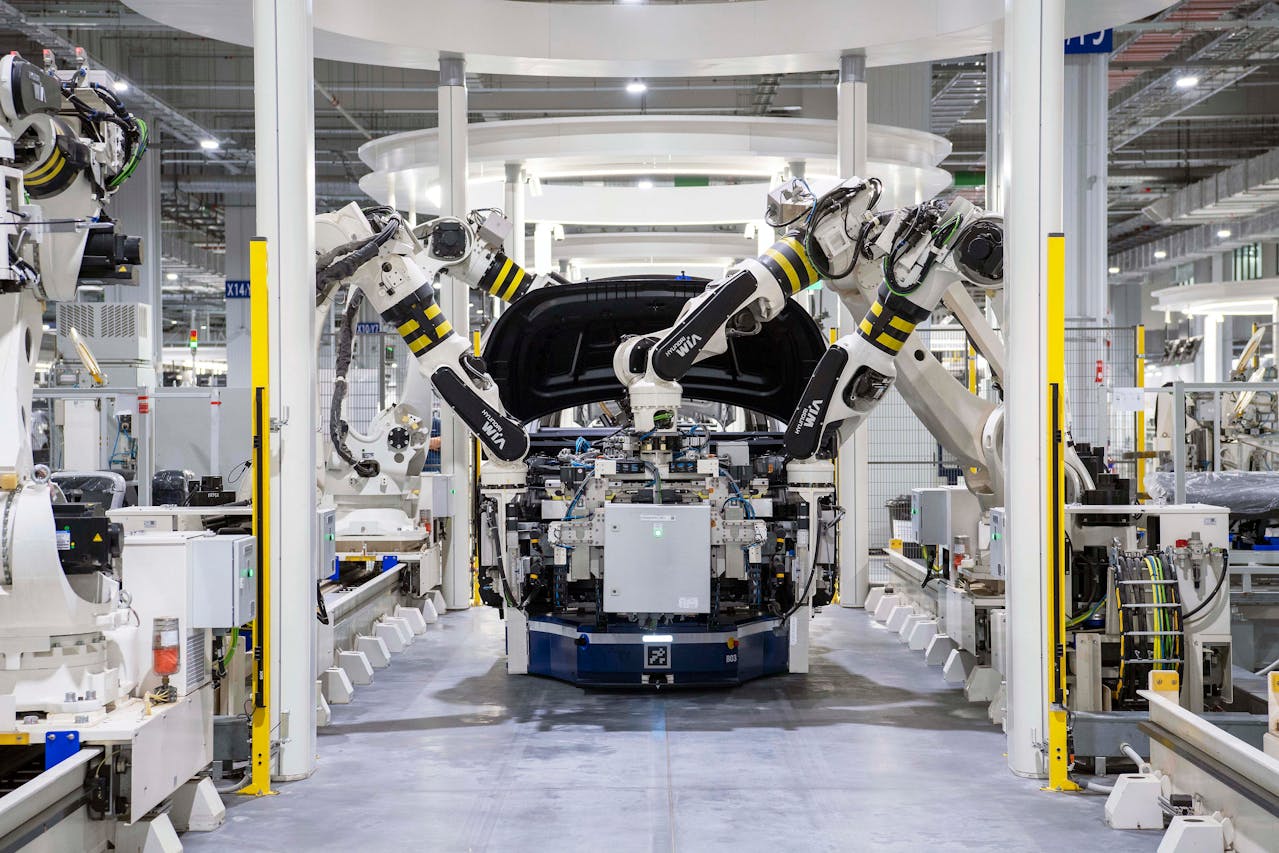
In the manufacturing sector, automation has evolved far beyond assembly lines. Smart factories are leveraging AI-driven robotics, Internet of Things (IoT) devices, and predictive analytics to streamline operations. Robots can now perform intricate tasks with precision, while IoT sensors monitor equipment in real time, reducing downtime and increasing productivity.
For example, companies are adopting “cobots” (collaborative robots) that work alongside humans to enhance efficiency and safety. Automated quality control systems are also ensuring higher accuracy, minimizing defects, and accelerating production cycles.
Healthcare: Enhancing Patient Care
Automation is transforming healthcare by improving diagnostics, patient care, and administrative processes. AI algorithms can analyze medical images faster and with greater accuracy, aiding in early detection of diseases like cancer. Robotic surgical systems, such as da Vinci, allow for minimally invasive procedures with greater precision.
In addition, automated administrative tools are reducing the burden on healthcare providers. From managing patient records to scheduling appointments, automation is streamlining operations, allowing doctors and nurses to focus more on patient care.
Retail: Revolutionizing Customer Experiences
In 2024, automation is redefining the retail experience both online and in physical stores. AI-powered chatbots and virtual assistants provide personalized shopping recommendations and answer customer queries 24/7. Automated inventory management systems ensure shelves are always stocked, while robotic warehouses enable faster order fulfillment.
Self-checkout kiosks and cashierless stores, such as Amazon Go, are becoming increasingly popular, offering consumers a seamless and efficient shopping experience.
Agriculture: Feeding the Future
Automation is playing a vital role in addressing global food security challenges. Precision agriculture uses drones, GPS-guided tractors, and AI to monitor crop health, optimize irrigation, and reduce waste. Autonomous machinery is streamlining planting and harvesting processes, increasing efficiency and yield.
Farmers are also leveraging predictive analytics to forecast weather patterns and optimize resource allocation, ensuring sustainable practices that benefit both the environment and their bottom line.
Logistics and Transportation: Driving Efficiency
Automation is revolutionizing logistics and transportation with autonomous vehicles, drones, and AI-powered route optimization. Companies like Tesla and Waymo are pushing the boundaries of self-driving technology, while delivery drones are speeding up last-mile logistics.
AI-powered platforms are optimizing supply chains by analyzing data in real time to predict demand, track shipments, and reduce delays. These advancements are lowering costs and improving customer satisfaction.
Finance: Securing Transactions and Enhancing Decision-Making
In the finance industry, automation is streamlining processes such as fraud detection, risk assessment, and customer onboarding. AI algorithms analyze vast amounts of data to detect anomalies and flag potential threats in real time. Robo-advisors are providing personalized investment advice, making financial planning more accessible to individuals.
Automation is also simplifying backend processes like loan approvals, credit scoring, and regulatory compliance, allowing financial institutions to operate more efficiently.
Education: Personalizing Learning
Automation is making education more accessible and tailored to individual needs. AI-driven platforms provide personalized learning experiences by analyzing student performance and adapting content accordingly. Virtual tutors and automated grading systems are freeing up educators’ time to focus on mentoring students.
From manufacturing floors to classrooms, automation is transforming industries in 2024 by enhancing productivity, improving accuracy, and enabling innovation. As these technologies continue to advance, their impact will only grow, shaping a future where industries operate smarter, faster, and more efficiently.


