


Crime scene video analysis has become one of the most powerful investigative methods in modern digital forensics. As more public and private locations install surveillance systems, investigators now have access to a constant stream of visual evidence that can reveal what happened, when it occurred, and who was involved. But turning raw footage into useful, admissible evidence takes more than simply pressing play. It requires expert knowledge, specialized technology, and a structured approach to uncovering details that the human eye often overlooks.
The growing complexity of digital video formats has made high-quality crime scene video analysis essential for law enforcement agencies, legal professionals, and forensic experts around the world. From stabilizing shaky footage to enhancing low-light recordings, today’s tools give investigators the clarity and accuracy they need to build strong cases based on factual evidence.
The Role of Crime Scene Video Analysis in Modern Investigations
Video evidence has become the backbone of countless criminal cases. Even when eyewitness accounts are unclear or inconsistent, video footage provides a neutral, time-stamped, and detailed visual account of events. Crime scene video analysis ensures that this footage is properly interpreted, processed, and presented in a way that preserves truth and maintains legal integrity.
Investigators rely on this method for a wide range of tasks. It can reveal a suspect’s movements, verify alibis, identify vehicles, highlight hidden actions, and reconstruct key moments of a crime. Even the smallest detail, such as a reflection in a window or a shadow on the ground, can hold significant value when analyzed with professional-grade tools.
What makes this process so important is the ability to detect what traditional observation methods cannot. Motion tracking, image clarification, and precise measurement tools allow analysts to uncover details that would otherwise remain invisible.
How Professionals Approach Crime Scene Video Analysis
Experts follow a careful, methodical approach when working with video evidence. Since the footage may be compressed, distorted, or corrupted, the first step is often preserving its original state. Maintaining the integrity of evidence is crucial, as even minor changes can affect admissibility in court. Analysts typically work from copies to ensure the original remains untouched.
Once the footage is secured, analysts begin examining its content, focusing on clarity, perspective, frame rate, and any potential technical limitations. Their goal is to determine what can be enhanced, what can be measured, and what useful insights the footage may contain.
Crime scene video analysis rarely involves simple playback. Instead, experts use advanced software to isolate frames, correct distortions, enhance lighting, stabilize the visuals, and analyze movement. Through careful observation and digital processing, investigators transform unclear footage into meaningful visual evidence.
Why Advanced Tools Are Essential for Crime Scene Video Analysis
Modern surveillance systems vary widely in quality, ranging from low-resolution analog cameras to high-definition IP systems. Each produces different types of distortions, artifacts, and technical challenges. Without the right analytical tools, investigators may miss crucial information hidden within the video.
Professionals typically rely on software designed specifically for forensic use. These programs offer features that general editing tools cannot match, making them vital for crime scene video analysis.
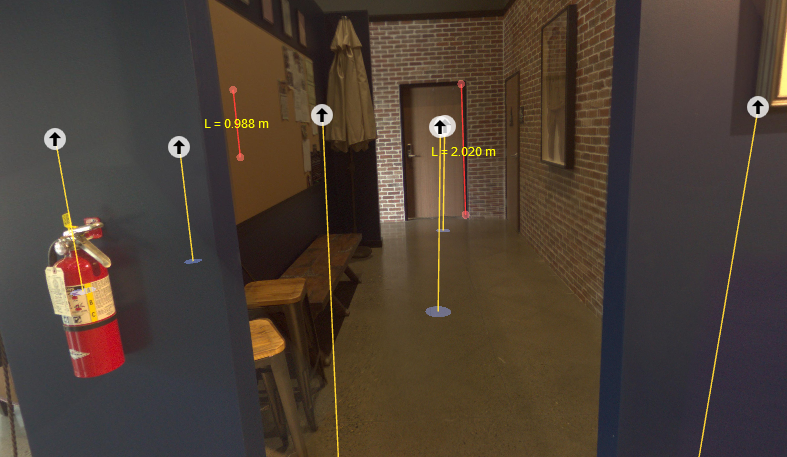
Advanced software allows experts to clarify details, correct perspective, and measure distances with precision. This capability becomes especially important when determining the speed of a moving object, the height of a suspect, or the position of individuals within a scene.
Some platforms also integrate artificial intelligence to help detect patterns, track subjects automatically, and analyze footage frame by frame. These capabilities accelerate the investigative process and ensure that no essential detail is overlooked.
Key Capabilities Found in Today’s Crime Scene Video Analysis Tools
Modern video analysis platforms offer a range of powerful features that help investigators interpret footage with accuracy and confidence. These tools simplify the process of extracting reliable evidence even from poor-quality recordings.
High-quality enhancement tools help reveal details in footage captured in difficult environments. They address issues such as darkness, glare, compression artifacts, or extreme motion. Analysts gain the ability to clarify images without compromising authenticity, which is vital when presenting findings in legal settings.
Another valuable feature is image stabilization, which is especially useful when analyzing videos recorded from handheld devices or moving vehicles. Stabilizing footage makes objects easier to track and details easier to identify.
Measurement tools are equally important. They allow experts to calculate real-world distances, angles, and object sizes using reference points in the video. This ensures that the findings are precise enough for courtroom testimony and investigative reporting.
Some tools also support photogrammetry, which helps reconstruct crime scenes from video frames. This method is especially beneficial when investigating traffic collisions, assaults, and other incidents where spatial relationships matter.
How Crime Scene Video Analysis Supports Legal Proceedings
Accurate video analysis strengthens legal arguments and ensures that the justice system has access to reliable digital evidence. Courts require clear, well-documented findings that can be independently verified. Crime scene video analysis meets this standard by producing evidence that remains faithful to the original while illuminating its hidden details.
Analysts must be prepared to explain their methods clearly and professionally. Their work involves documenting each step and demonstrating that the footage has been enhanced without altering the facts. This requirement makes specialized forensic tools essential, as they preserve metadata and maintain a chain of custody.
Using high-quality crime scene video analysis tools ensures that findings remain defensible and compliant with legal standards. This is especially important in cases where video evidence plays a central role, such as robberies, assaults, vehicular incidents, and property crimes.
The Importance of Accuracy and Integrity in Crime Scene Video Analysis
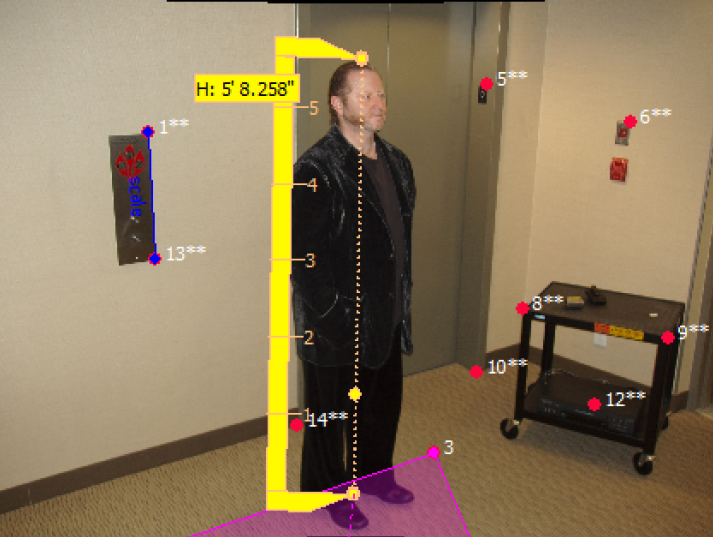
Video evidence must be handled with care to prevent misinterpretation. A slight distortion, incorrect enhancement, or inaccurate measurement can lead to false conclusions. This is why analysts undergo extensive training and rely on professional software designed specifically for forensic work.
Accuracy begins with preserving the original footage, continues through each enhancement step, and extends to how results are presented. Analysts must ensure that every detail remains true to the source material, especially when the footage is submitted in court.
Integrity is not just a technical requirement but an ethical one. Crime scene video analysis affects real people and real cases, making it essential that every conclusion be based on evidence—not assumptions or overprocessing. Using validated tools and adhering to forensic best practices ensures trustworthy results.
How Forensic Video Analysis Enhances Crime Scene Investigations
Although crime scene video analysis is the primary focus, forensic video analysis plays an important supporting role in many investigations. It includes the scientific principles and technical processes used to authenticate, enhance, and interpret video evidence.
This broader discipline ensures that all video findings are valid and scientifically accurate. When used alongside crime scene video analysis, it creates a powerful combination of practical interpretation and technical expertise. Analysts gain deeper insight into how footage was recorded, whether it has been altered, and what corrections are needed to reveal the truth behind the visuals.
Forensic video analysis helps verify authenticity, assess compression issues, and ensure that enhancements remain legally defensible. Its role is essential in building trust around digital video evidence.
Why Professionals Rely on Dedicated Software Solutions
Industry-leading platforms like those offered by Cognitech provide investigators with the advanced capabilities needed to analyze complex video footage. These tools combine enhancement, measurement, authentication, and reconstruction features within a single, unified system.
Experts choose such platforms because they offer precision, reliability, and a workflow designed specifically for forensic environments. The ability to handle diverse video formats, manage metadata, and produce court-ready results makes these solutions indispensable.
Whether analysts are reconstructing a crime scene, clarifying critical details, or verifying a suspect’s actions, these tools elevate the quality of evidence and ensure that justice is based on clear and accurate information.
Conclusion
Crime scene video analysis has become one of the most influential tools in modern investigations. It transforms raw, often unclear footage into reliable evidence that can reveal critical truths about criminal events. With the help of advanced technology, expert training, and dedicated forensic tools, investigators can uncover details that support justice and provide clarity in even the most challenging cases.
As surveillance systems grow more advanced and digital evidence becomes increasingly central to criminal investigations, the need for professional crime scene video analysis will continue to rise. By combining scientific accuracy with cutting-edge technology, this method ensures that video evidence remains one of the most powerful resources available to law enforcement, attorneys, and forensic specialists.


