


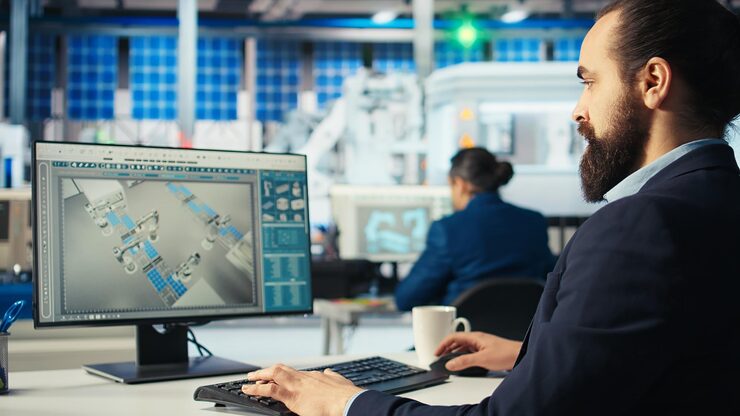
The aviation industry has always been a hub of innovation, where precision, efficiency, and safety come together to define success. In today’s fast-paced world, technological advancements are reshaping how engineers approach aircraft development. One of the most significant contributors to this evolution is aircraft design software. From reducing costs and improving accuracy to enabling faster prototyping, such tools are transforming the way aviation projects are conceptualized and delivered. This article dives into how this software works, why it matters, and what the future holds for the aviation industry.
What Is Aircraft Design Software?
Aircraft design software is a specialized engineering tool that assists in creating, analyzing, and testing virtual models of aircraft before they are physically built. It combines aerodynamics, material science, and engineering principles within a digital environment. These platforms allow engineers to test performance in simulated conditions, identify design flaws, and optimize efficiency long before production begins.
Why It Matters in Modern Aviation
The importance of aircraft design software cannot be overstated. Traditional design methods required extensive physical testing, which consumed time, resources, and funds. With digital solutions, engineers can:
- Minimize development time
- Reduce manufacturing costs
- Enhance design accuracy
- Ensure compliance with safety and environmental regulations
This digital-first approach accelerates innovation while reducing the risk of costly errors.
Benefits for Engineers and Manufacturers
Aircraft design software offers advantages for both engineers and manufacturers. For engineers, it provides an intuitive platform to test various design scenarios quickly. For manufacturers, it simplifies the transition from digital models to real-world production. These benefits include:
- Real-time collaboration across teams
- Better integration of materials and aerodynamics
- Automated compliance checks
- Enhanced visualization for stakeholders
By using such tools, companies can bring new aircraft concepts to market more efficiently and with fewer risks.
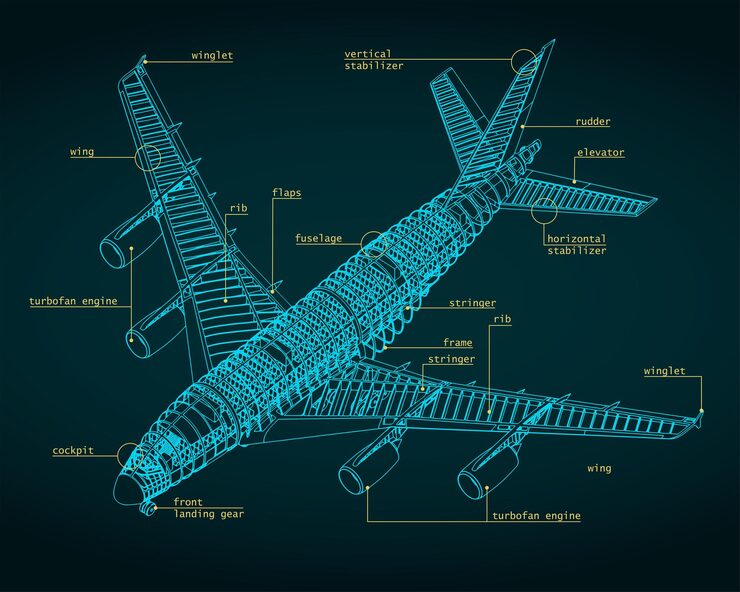
The Role of Aerospace Digital Transformation
The shift to digital solutions in aviation is part of a broader trend known as aerospace digital transformation. This movement integrates advanced technologies like AI, IoT, and cloud computing into aerospace processes. When combined with aircraft design software, digital transformation drives efficiency, sustainability, and long-term growth. For instance, predictive analytics can anticipate maintenance needs, while digital twins allow engineers to monitor aircraft performance in real time.
Real-World Applications and Examples
Several leading aerospace companies already rely heavily on aircraft design software. For example, commercial aviation manufacturers use digital simulations to test fuel efficiency before physical prototypes are created. Military applications include optimizing stealth designs and improving defense systems. Even smaller firms leverage these tools to design drones, showcasing how scalable and versatile the technology can be.
Future Trends in Aircraft Design Technology
Looking ahead, the future of aircraft design software is closely tied to emerging technologies:
- Artificial Intelligence: Automating design suggestions and optimizing efficiency.
- Virtual Reality and Augmented Reality: Enhancing visualization and collaboration.
- Sustainable Materials Integration: Supporting eco-friendly designs for greener aviation.
- Cloud-Based Platforms: Allowing global teams to work together seamlessly.
These trends highlight that aircraft design will not only be faster and smarter but also more sustainable.
Challenges to Overcome
Despite its benefits, implementing advanced software also comes with challenges. High costs of adoption, the need for specialized training, and cybersecurity concerns are key issues facing aerospace organizations. Additionally, ensuring that digital tools remain updated and compliant with regulations is an ongoing necessity. Overcoming these hurdles will be crucial for the industry’s continued growth.
Conclusion
Aircraft design software is more than just a digital tool; it is the backbone of modern aviation innovation. By enabling precision, efficiency, and collaboration, it sets the stage for a future where aircraft are safer, more sustainable, and technologically advanced. Coupled with aerospace digital transformation, this technology is revolutionizing how the aviation industry operates. As adoption grows, it’s clear that the skies of tomorrow will be shaped by today’s digital innovation.