


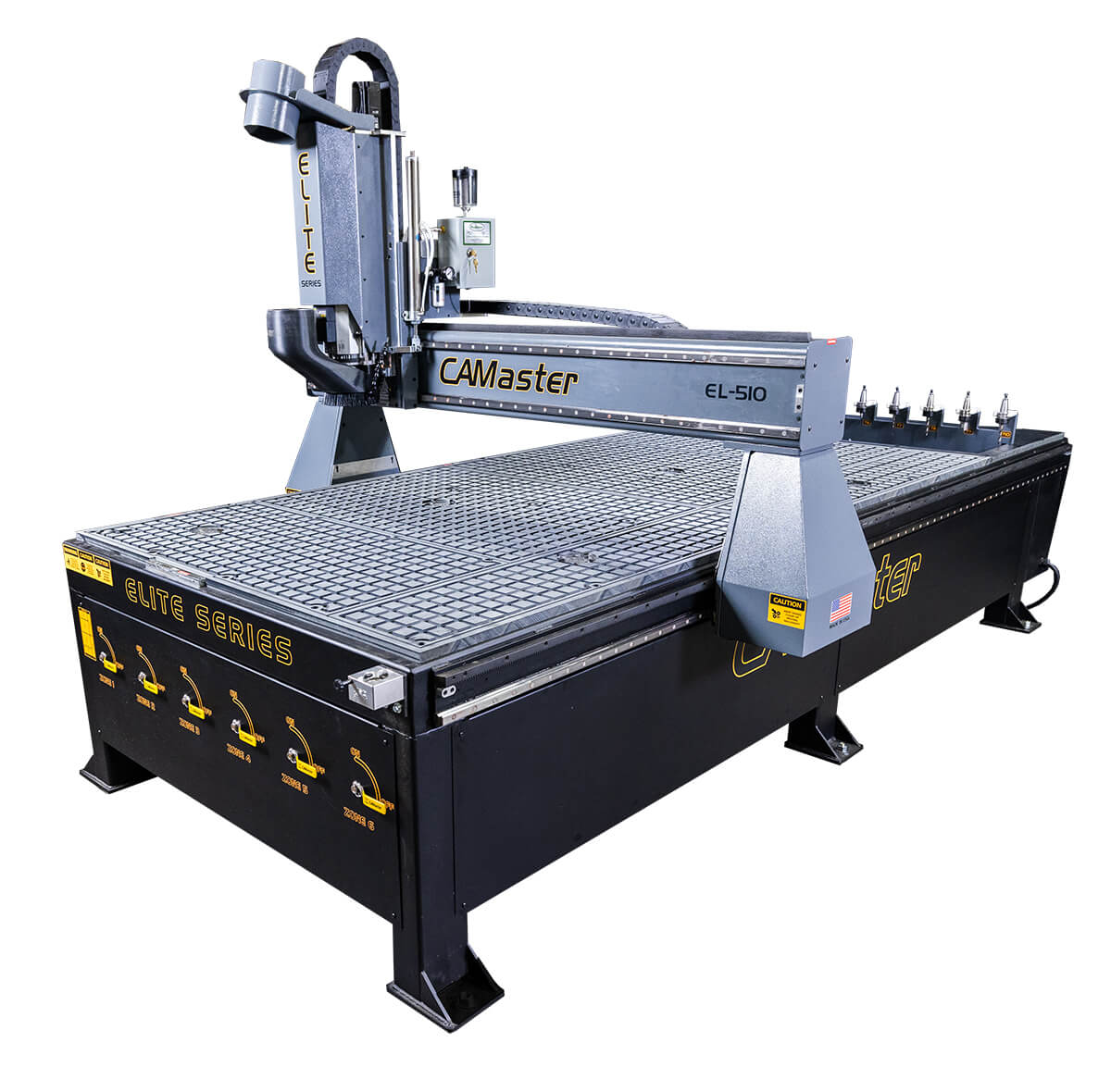
In the world of woodworking, precision and efficiency are everything. Whether you’re a hobbyist, a small shop owner, or part of a large manufacturing team, the ability to produce accurate and repeatable cuts can define the quality and consistency of your work. That’s where CNC wood cutting machines and CNC router tables come into play. These tools have revolutionized how wood is shaped, carved, and cut, bringing a powerful blend of automation and accuracy to the workshop.
In this blog, we’ll explore the key benefits of CNC wood cutting machines and CNC router tables, how they differ from traditional tools, and why they’re becoming indispensable in modern woodworking.
What Is a CNC Wood Cutting Machine?
CNC stands for Computer Numerical Control, and a CNC wood cutting machine is essentially a computer-controlled tool designed to cut, carve, drill, and shape wood with extreme precision. These machines are programmed using digital design files (often CAD files) to follow exact instructions, leaving very little room for error.
With the help of advanced motors and cutting heads, these machines can move along multiple axes (X, Y, and Z) to create intricate shapes and designs. Whether you’re cutting simple plywood panels or carving elaborate 3D patterns, a CNC wood cutting machine ensures consistency across all projects.
Understanding the CNC Router Table
A CNC router table is a specific type of CNC machine tailored for routing—cutting or hollowing out areas in the face of a material. Think of it as a smart upgrade to the traditional hand-held router, mounted on a flat worktable and controlled via computer.
The table provides a stable platform for the material, while the router head moves along programmed paths to perform precise cuts. The result? Cleaner edges, smoother curves, and higher-quality finishes with less manual effort.
Key Benefits of CNC Wood Cutting Machines
-
Unmatched Precision and Consistency
One of the most significant advantages of a CNC wood cutting machine is its ability to reproduce the same design with pinpoint accuracy, time after time. Manual errors are drastically reduced, and every cut is made exactly as programmed. This is especially important for businesses that need to deliver consistent quality across large product runs.
-
Increased Efficiency
Time is money, and CNC machines significantly reduce production time. What might take hours by hand can often be completed in minutes. Once a design is programmed, the machine can operate with minimal supervision, freeing up the operator to focus on other tasks.
-
Complex and Custom Designs Made Easy
With a CNC wood cutting machine, complex patterns, engravings, and 3D designs become easily achievable. Intricate details that would be difficult or impossible to do manually are handled effortlessly by the machine.
-
Reduced Material Waste
Thanks to the machine’s precision, cuts are more efficient, and there’s less risk of errors leading to wasted material. This not only saves money but is also more environmentally friendly.
-
Safe Operation
Unlike manual cutting tools that require close handling and pose safety risks, CNC wood cutting machines are largely automated. Operators can monitor the machine from a safe distance, minimizing the chance of injury.
Advantages of Using a CNC Router Table
-
Perfect for Flat Materials
CNC router tables excel at working with flat wood panels, making them ideal for cabinetry, signage, furniture, and flooring designs. The flat table surface ensures stability, resulting in cleaner, straighter cuts.
-
Versatile Functionality
Router tables aren’t just for cutting. They can also groove, mortise, drill, and edge profile materials with ease. With the right bit and programming, a single CNC router table can replace multiple traditional tools.
-
Better Dust Collection
Modern CNC router tables often include built-in dust collection systems, keeping your workspace cleaner and healthier. This is particularly important in woodworking environments where dust can quickly accumulate.
-
Operator-Friendly Interface
Even though CNC router tables rely on complex programming, many systems offer user-friendly software that simplifies design and operation. Templates, drag-and-drop features, and step-by-step guides help users—even beginners—get started quickly.
Applications Across Industries
CNC wood cutting machines and router tables aren’t just for hobbyists or craftsmen—they’re widely used across industries:
- Furniture Manufacturing: For creating precision joinery, decorative carvings, and flat-pack designs.
- Interior Design: Wall panels, moldings, and custom décor can be made quickly and beautifully.
- Sign Making: Perfect for engraving text and logos on wood signs.
- Boat and RV Construction: Complex wood paneling and cabinetry are cut with exact fit.
- Architectural Millwork: Custom trims, panels, and columns made to exact specifications.
How to Choose the Right CNC Machine for Your Needs
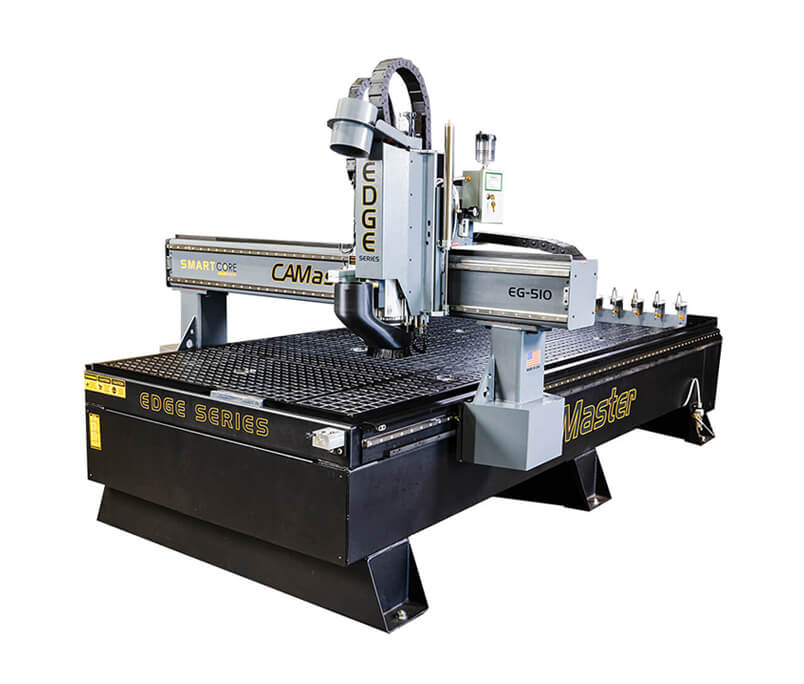
Choosing between a CNC wood cutting machine and a CNC router table depends on your specific needs:
- For general-purpose cutting and 3D carving, a full CNC wood cutting machine is ideal.
- For panel work, edge profiling, and flat surface projects, a CNC router table is often the better choice.
Other factors to consider include machine size, the type of wood you’ll be working with, spindle power, and software compatibility. Always start with a clear understanding of your typical projects and growth potential.
Conclusion: The Future of Woodworking Is CNC
CNC wood cutting machines and CNC router tables are transforming the woodworking industry. By blending the precision of digital programming with the power of automated cutting, these tools offer unmatched efficiency, repeatability, and creativity.
Whether you’re scaling up a production shop or exploring detailed artistry in a home garage, integrating CNC technology into your workflow opens up new possibilities. It’s not just about working faster—it’s about working smarter, safer, and with greater confidence in the final product.
As woodworking evolves, one thing is clear: precision meets power in the form of CNC technology—and the future is already here.